
Red testicle – Trifolium pratense
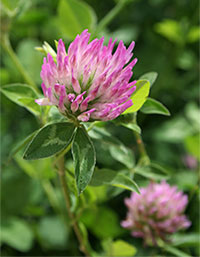
It can be successfully grown on soils with poorer conditions, it is a good winter-resistant species, its hay has a good feed value similar to that of alfalfa.
Lucerna – Medicago sativa
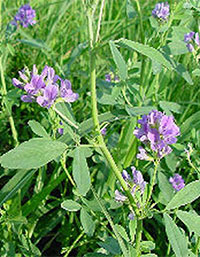
It can be grown successfully on high quality, deep soils with good water balance. Its roots are deep-penetrating, so its drought tolerance is excellent. It provides a high-volume and highly valuable protein-rich feed.
Purple clover - Trifolium incarnatum
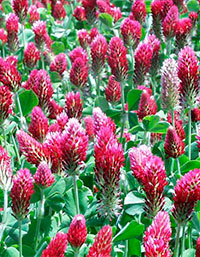
A one-year-old, wintering fodder plant with a very fast growing season, which can also be sown as a second crop. It gives excellent green fodder.
Deer trap – Lotus corniculatus
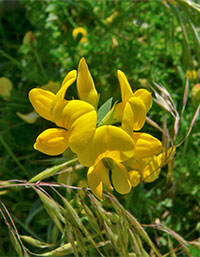
Long-lived, undemanding, very good drought and winter tolerant. It is mainly used in compound feed.
Blonde vetches - Vicia villosa
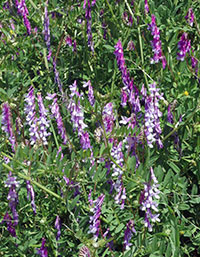
It can be grown successfully on weaker soils, with a very good protein content obtained by sowing it in a mixture of rye and triticale, and a continuous green feed – a green conveyor belt.
Pannonian vetch - Vicia pannonica
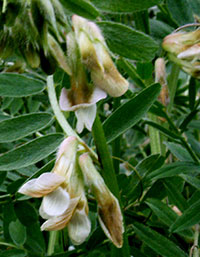
It is usually sown with wheat, the best yielding and quality of vetches, but it is also more demanding in relation to the soil.
Spring vetches - Vicia sativa
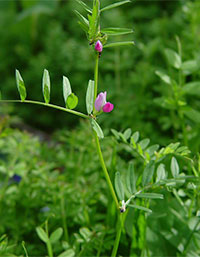
It is sown with oatmeal, vetch or spring wheat, and prefers soils with good water balance and quality.
Medical mulch - Melilotus officinalis
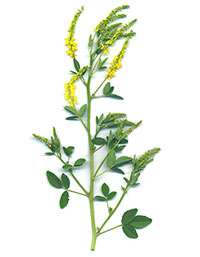
It has a good nutritional value, is extremely unpretentious and can be used as green fodder.
White testicle – Trifolium repens
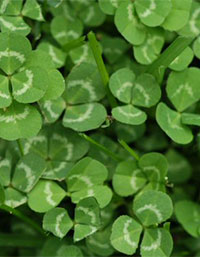
It is a great fodder plant for fresh soils, it can withstand treading well, it grows very well, it is excellent as a nutrient, therefore it is a very well-used ingredient of pasture mixtures.
English ryegrass - Lolium perenne
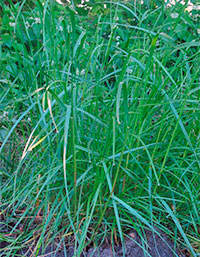
One of our most important perennial undergrass, it tolerates treading well, its development is fast.
Italian ryegrass - Lolium multiflorum
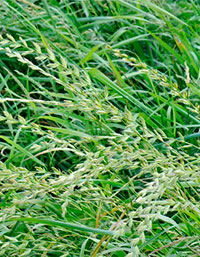
It is extremely fast-growing, providing the best weight and very high-quality feed.
Hybrid edge - Lolium x boucheanum
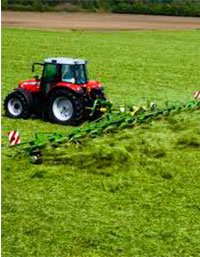
Genetically, the intensive grass between Italian and English ryegrass has the advantage of providing tasty, heavy feed for up to 3-5 years.
Westerwoldi ryegrass – Lolium multiflorum ssp. westerwoldicum
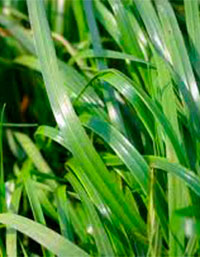
It is a one-year-old version of the Italian ryegrass, which yields the highest yield.
Mushroom – Dactylis glomerata
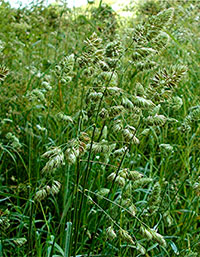
It is an important herb with deep penetrating roots and good drought tolerance. Grassland and mowing mixtures are very useful ingredients.
Réti komócsin - Phleum pratense
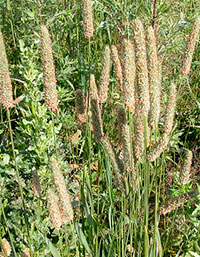
Loose scrub, which starts to grow already at 3°C. It has an extremely good feed value until flowering, it prefers fresh soils, it is very winter-resistant.
Meadow fescue - Festuca pratensis
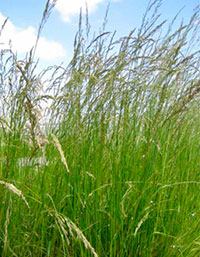
The most valuable component of compound feed. It grows high, gives very good quality feed, is resistant to rust disease, winter resistant.
Cane-faced fescue - Festuca arundinacea
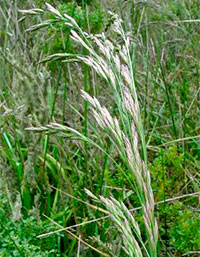
For a long period of time, up to 8-10 years, very resistant, tread-tolerant herbgrass with very high yield. Its roots go deep, its drought tolerance is very good. Its initial development is slow, so it should be planted primarily in clean sowing.
French ryegrass – Arrhenatherum elatius
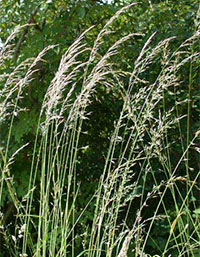
Shrub-growing herbgrass, due to its good feed value and growth capacity, is an increasingly important component of compound feed.
Red fescue - Festuca rubra
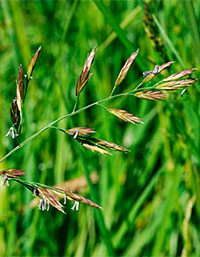
Early onset, winter-resistant, drought-tolerant species. Some varieties form a howitzer. It is not demanding against the soil, it is a good hole filling undergrowth.
Meadow ryegrass - Poa pratensis
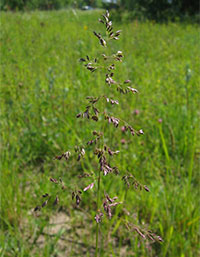
It is a long-lived, important, very good tolerant, excellently regenerating, howitzer-forming undergrass and pasture mixtures due to its high feed value.
Hungarian rye – Bromus inermis
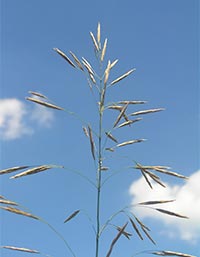
Dry tolerant, live 8-10 years, howitzer. Its roots can reach up to 2m deep. It was first cultivated in Hungary, but thanks to its great properties it spread throughout Europe. It can handle grazing well, but it can also be used effectively as a mower.